
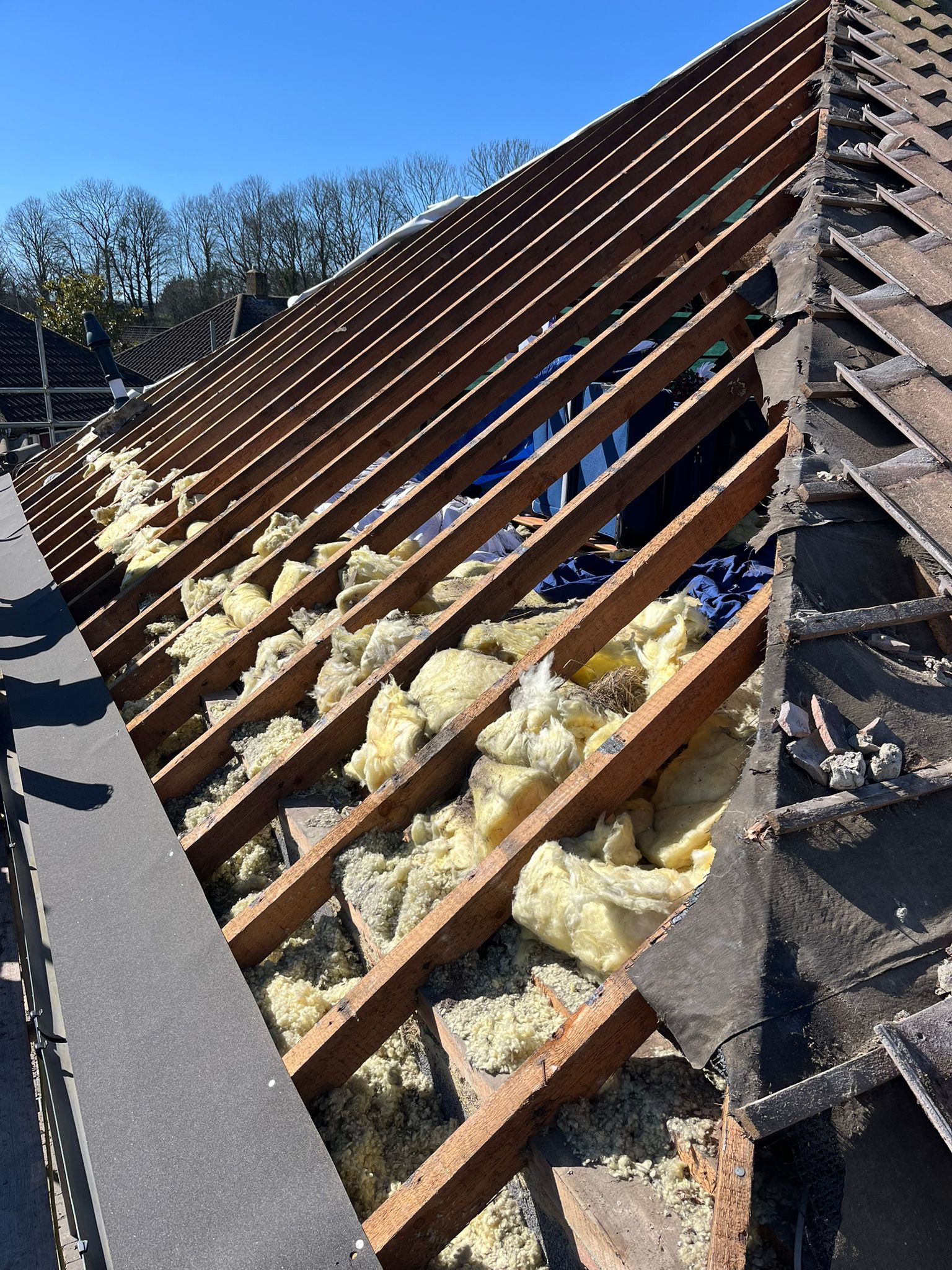
Cornwall’s coastline is one of the things that makes the county such a distinctive place to live, but coastal and exposed locations can also present particular challenges for buildings.
A roof provides the main barrier between a property and the weather. Over time, repeated exposure to wind, rain and changing conditions can reveal weaknesses that might otherwise have remained unnoticed.
Understanding how the local environment can affect roofing helps homeowners recognise why maintenance and timely repairs are important.
Strong Winds and Exposed Roofs
Many parts of Cornwall are exposed to strong winds, particularly properties close to the coast or in elevated locations.
Wind can place additional pressure on roof coverings and vulnerable edges.
Tiles that are already loose or damaged may become displaced, while ridge and verge areas can also be put under additional strain.
Following particularly severe weather, it can therefore be sensible to look at the roof from ground level for obvious changes.
Never climb onto a roof yourself simply to check for storm damage.
Driving Rain
Heavy rain is not the only challenge a roof faces.
When rain is accompanied by strong winds, water can be driven against roof surfaces and junctions from directions that would not normally receive the same exposure.
Small defects around tiles, flashing, ridges or roof junctions can therefore become noticeable during poor weather.
If a leak develops, professional roof repairs should focus on tracing the source of the water rather than assuming that the internal damp patch sits directly beneath the defect.
Coastal Exposure
Properties close to the sea can experience greater exposure to moisture and salt-laden air than properties further inland.
Different roofing components and materials can respond differently to the environment, making suitable installation and ongoing maintenance particularly important.
This does not mean that coastal properties are destined to develop roofing problems. It simply reinforces the importance of keeping the whole roof system in good condition.
Ridge and Verge Areas
Ridges and verges are among the most exposed parts of many pitched roofs.
Traditional mortar-based details can deteriorate over time through age and weathering.
Modern mechanically fixed systems may be suitable in some situations and can reduce reliance on mortar.
The correct solution depends on the roof itself, so the existing condition should be assessed before deciding whether repair, replacement or an alternative system is appropriate.
Lead Flashing and Roof Junctions
Lead plays an important role in weatherproofing vulnerable areas of many roofs.
It is commonly found around chimneys, valleys and other junctions.
If existing flashing becomes loose, damaged or deteriorated, wind-driven rain may find a route into the property.
Professional leadwork can include repair or replacement of damaged flashing where required.
Guttering During Heavy Rain
Cornwall’s wet weather also makes effective rainwater drainage important.
A gutter may appear to be functioning adequately during light rain but struggle if it is blocked, damaged or poorly aligned during a heavier downpour.
Overflowing water can run down walls or affect roofline components.
Keeping guttering in effective working condition helps channel rainfall away from the building.
Flat Roofs and Weather Exposure
Flat roofs on garages, extensions and other parts of a property also need to resist repeated rainfall and changing weather conditions.
A properly installed flat-roof system should provide effective protection, but older or damaged coverings can develop vulnerabilities.
5 Star Roofing & Building works with felt and fibreglass roofing and can assess existing flat roofs where problems are suspected.
What Should You Check After Bad Weather?
You can carry out a basic visual check without accessing the roof.
Look for:
- tiles on the ground
- obvious gaps in the roof covering
- changed or uneven ridge tiles
- loose guttering
- overflowing gutters
- debris around the property
- new damp patches indoors
- staining around ceilings or chimney breasts
If nothing appears wrong, there may be no need for action.
If something has changed, arranging an inspection can help establish whether repair work is necessary.
Maintenance Is Particularly Valuable in Exposed Locations
Preventative maintenance cannot stop storms from occurring, but it can help ensure that known defects are not left waiting for the next period of bad weather.
Repairing an already loose tile, damaged piece of flashing or ineffective gutter before winter can be much more straightforward than dealing with water ingress afterwards.
Roofing Across Cornwall
5 Star Roofing & Building provides roofing services across Cornwall, including both coastal and inland communities.
Key service areas include Truro, Falmouth, Newquay, St Austell, Penzance, Camborne and Redruth. Further information can be found on the Areas We Cover page.
Whether you have noticed storm damage, a leak or general roof deterioration, call 0800 699 0309 for advice and a free, no-obligation quotation.

